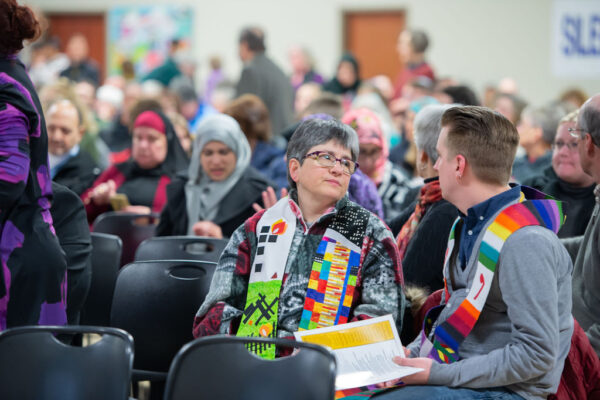
Let’s be real: the Founding Fathers didn’t get everything right. But one thing they understood was the importance of protecting people’s rights to hold their beliefs, speak out, and voice their grievances without fear of retaliation.
The First Amendment, just 45 words long, is a powerful safeguard for your voice, your beliefs, and your right to protest, among other things.
But what exactly is the First Amendment? What does it say? Why does it matter? And how is it relevant to you today? Let’s break it down.
First Amendment 101: In-Depth on Free Speech
What violates free speech? It's one of the most talked-about First Amendment freedoms, but it's also one of the most complex. We've got an in-depth First Amendment 101 guide to help you determine if an action or legislation violates your freedom of speech.
First Amendment 101: An Introduction to the Five Freedoms
In this video series, we break down the First Amendment of the U.S. Constitution and explain the five core freedoms it protects: freedom of speech, freedom of religion, freedom of the press, freedom to assemble, and freedom to petition. Learn what these rights really mean, why they matter today, and how they protect your ability to speak out and hold the government accountable.
Related Content
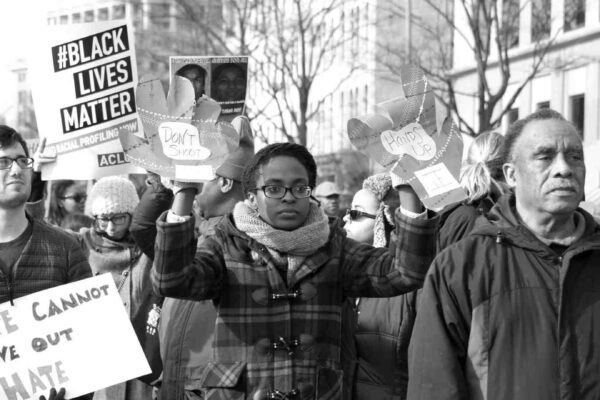
Know Your Rights: Demonstrations and Protests