Pro-Voter Coalition to Argue in U.S. District Court on Friday in Challenge to Implementation of South Dakota’s Voter Registration Law
September 9, 2026 3:02 pm
The United States District Court in Sioux Falls will hear a case on Friday challenging the implementation of South Dakota’s law that requires new voters to provide unnecessary documentation of their U.S. citizenship when registering to vote.
In the case, LWVSD v. Johnson, the League of Women Voters of South Dakota and an individual voter argue that South Dakota officials have violated procedural due process by failing to give voters accurate information about their registration status or a sufficient opportunity to fix issues with their voter registration.
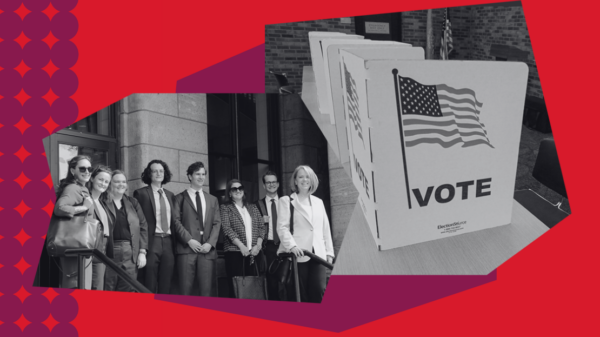
The plaintiffs are represented by Campaign Legal Center, the American Civil Liberties Union Voting Rights Project, the ACLU of South Dakota and Heidepriem Purtell Siegel Hinrichs, LLP. The hearing will take place at 2 p.m. Friday, Sept. 11, at the United States Court House, 400 S. Phillips Ave., Sioux Falls.
The case asserts that the new proof-of-citizenship requirement passed under Senate Bill 175 violates the Civil Rights Act and the United States Constitution’s guarantee of due process. If registrants do not provide the required documents, they are registered as federal-only voters, meaning they cannot vote in state and local elections. These voters are then sent an inaccurate, automated letter by the state’s registration system incorrectly informing them that an issue with their address has resulted in them being registered as a federal-only voter.
Because the state’s inaccurate notice letter threatens people’s ability to fix their registration and vote in upcoming state and local elections, the plaintiffs are asking the court for expeditated preliminary relief in advance of the 2026 general election.
- “When every voice is heard, our democracy is fairer and more representative of the people,” said Mel Neal, legal counsel for voting rights at Campaign Legal Center. “But rather than fixing the problem – simply updating the notice letter to reflect the accurate reason why someone has been designated as a federal-only voter – the state has chosen to waste time and taxpayer dollars to fight this in court instead. We are eager to see this resolved so that all South Dakota voters can make their voices heard in this election.”
- “No eligible voter should face unnecessary registration obstacles that keep them from participating in state and local elections,” said Martha Rossiter, ACLU of South Dakota legal director. “We hope to resolve this issue quickly, so all federal voters know their status and how to fix their registration in time to vote in all the races that are on the November ballot.”
- “A strong democracy depends on all voters having fair and equal access to the ballot,” said Kathryn Johnson, president of the League of Women Voters of South Dakota. “Since Senate Bill 175 was signed into law in March, the League of Women Voters has tried to work with the state to ensure the law would be implemented fairly and in compliance with federal law. We will continue the fight to ensure that all South Dakotans can make their voices heard at the ballot box.”
Related Issues
Related Content
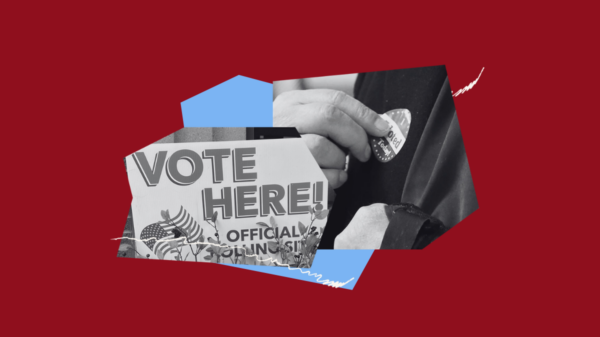
LWVSD v. Johnson
Stay Informed
Sign up to be the first to hear about how to take action.
By completing this form, I agree to receive occasional emails per the terms of the ACLU’s privacy statement.
By completing this form, I agree to receive occasional emails per the terms of the ACLU’s privacy statement.